
Best Dash Cams for London Driving 2026
Six cameras worth looking at if you spend any real time on London roads — what each one is good at, and where it falls short.
London driving is a different thing to driving almost anywhere else. The density is different, the rules are different, and so are the risks. Crash-for-cash fraud — where someone deliberately causes a collision to claim on your insurance — is a real and well-documented problem in the capital, and a dash cam is still the cleanest way to disprove a fraudulent claim.
Beyond that, there's the day-to-day stuff: bus lane disputes, arguments about who had right of way at a junction, a scrape in a car park while you were in the shops. Footage doesn't solve every problem, but it takes a lot of the guesswork out when something goes wrong. Every camera here covers front and rear — because in London traffic, the shunt from behind is the incident you're most likely to have, and a front-only camera only tells half the story.
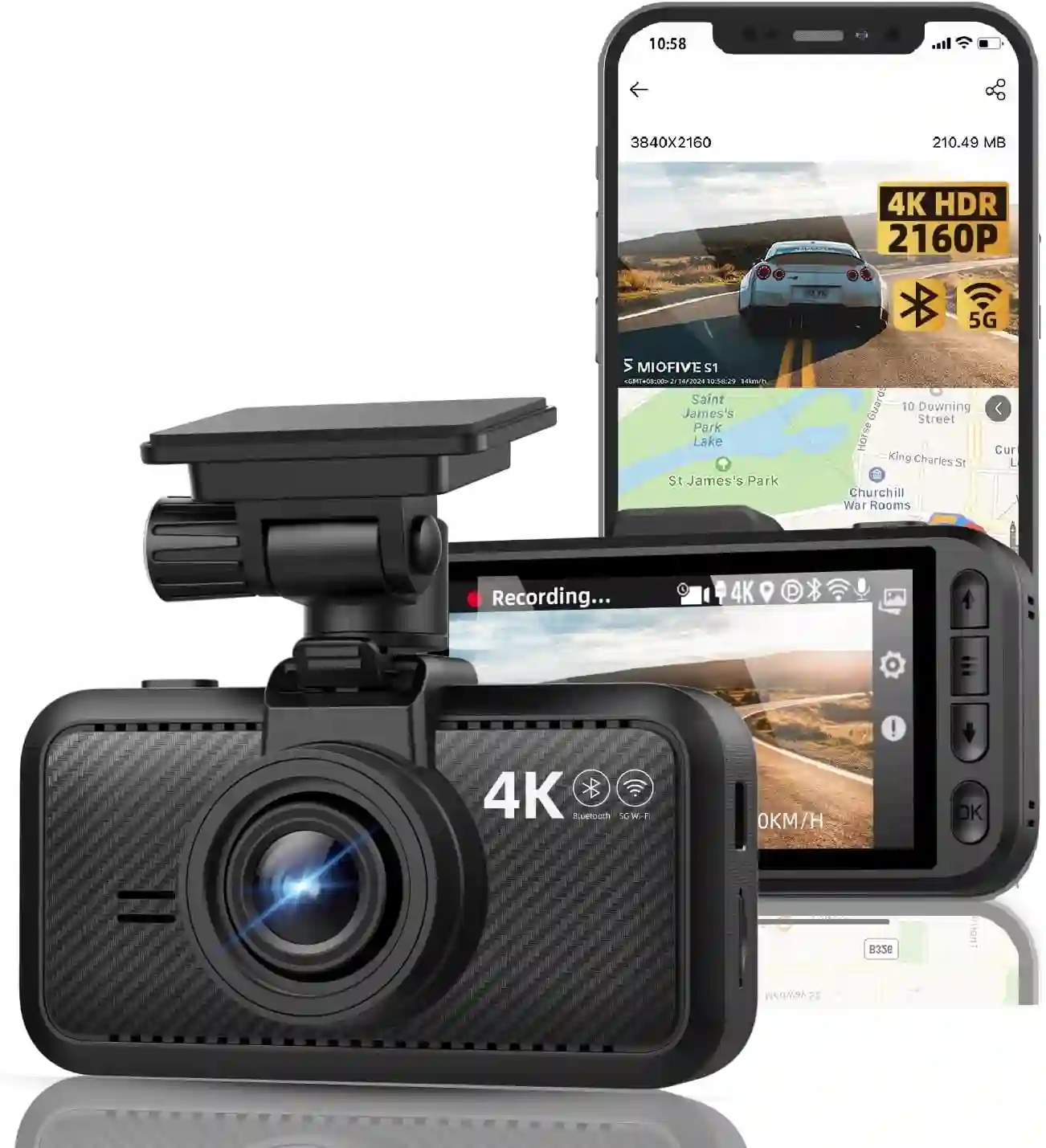
Most dual-camera setups quietly drop the rear to 1080p to keep costs down. The Miofive S1 Ultra doesn't — it records in genuine 4K on both cameras, which matters more than you might think when you're trying to read a plate on a wet London night. The price makes it even harder to argue with.
The 64GB card that comes in the box is a nice touch — most manufacturers leave you to sort storage yourself. The 5GHz Wi-Fi makes getting footage off the camera much faster than older single-band connections, which is handy if you actually need to pull clips in a hurry.
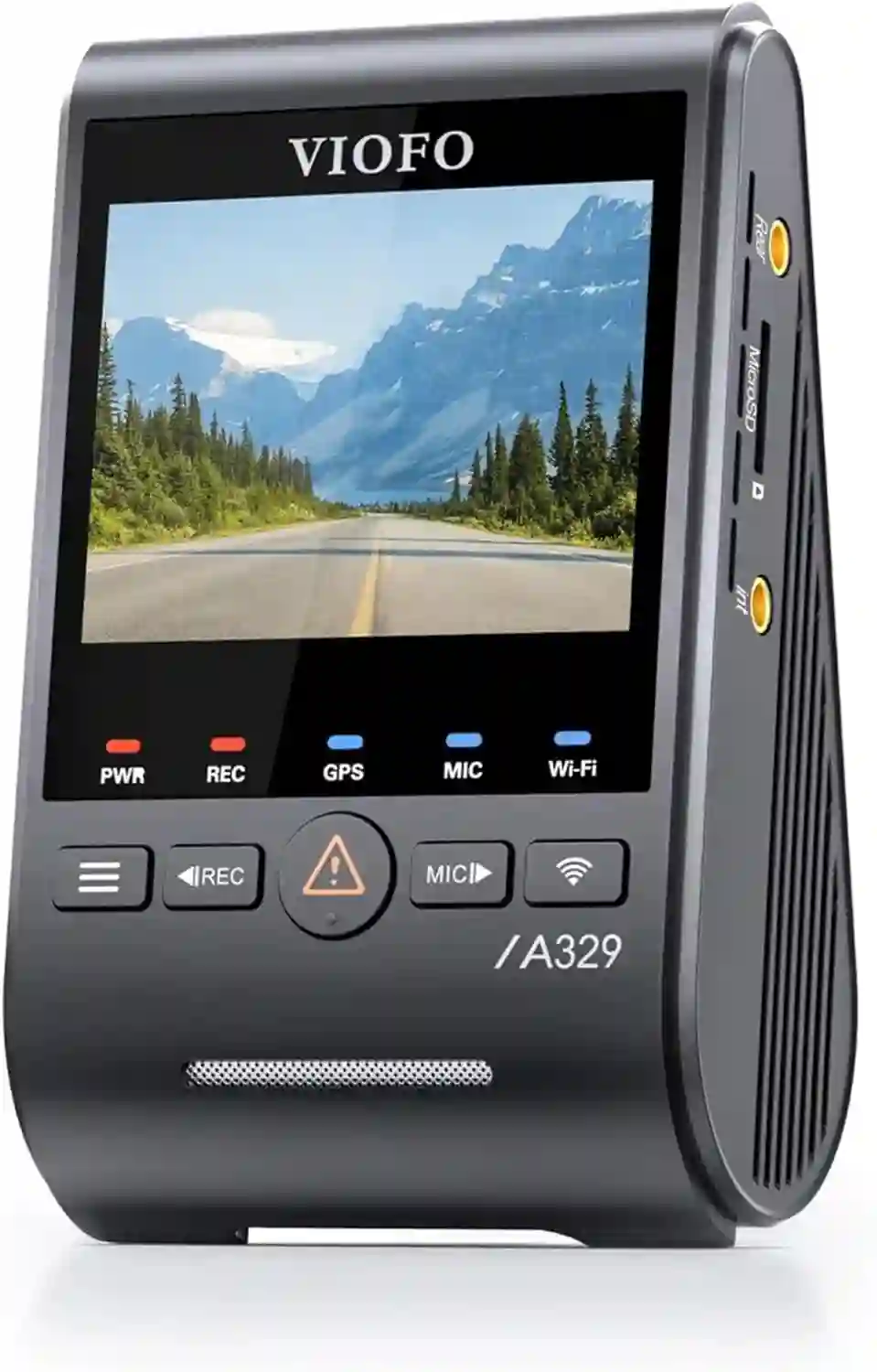
The Viofo A329 records at 4K/60fps — double the frame rate of almost everything else on this list. In practice, faster frame rates mean sharper images when things are moving, which is when you actually need them. Reading a plate on a moving car through a wet windscreen at night is the scenario that sorts cameras out, and the Sony STARVIS 2 sensor does genuinely well there.
The SSD support (up to 4TB) is a proper differentiator if you drive a lot — no more worrying about whether the loop recording has overwritten the incident from three hours ago.
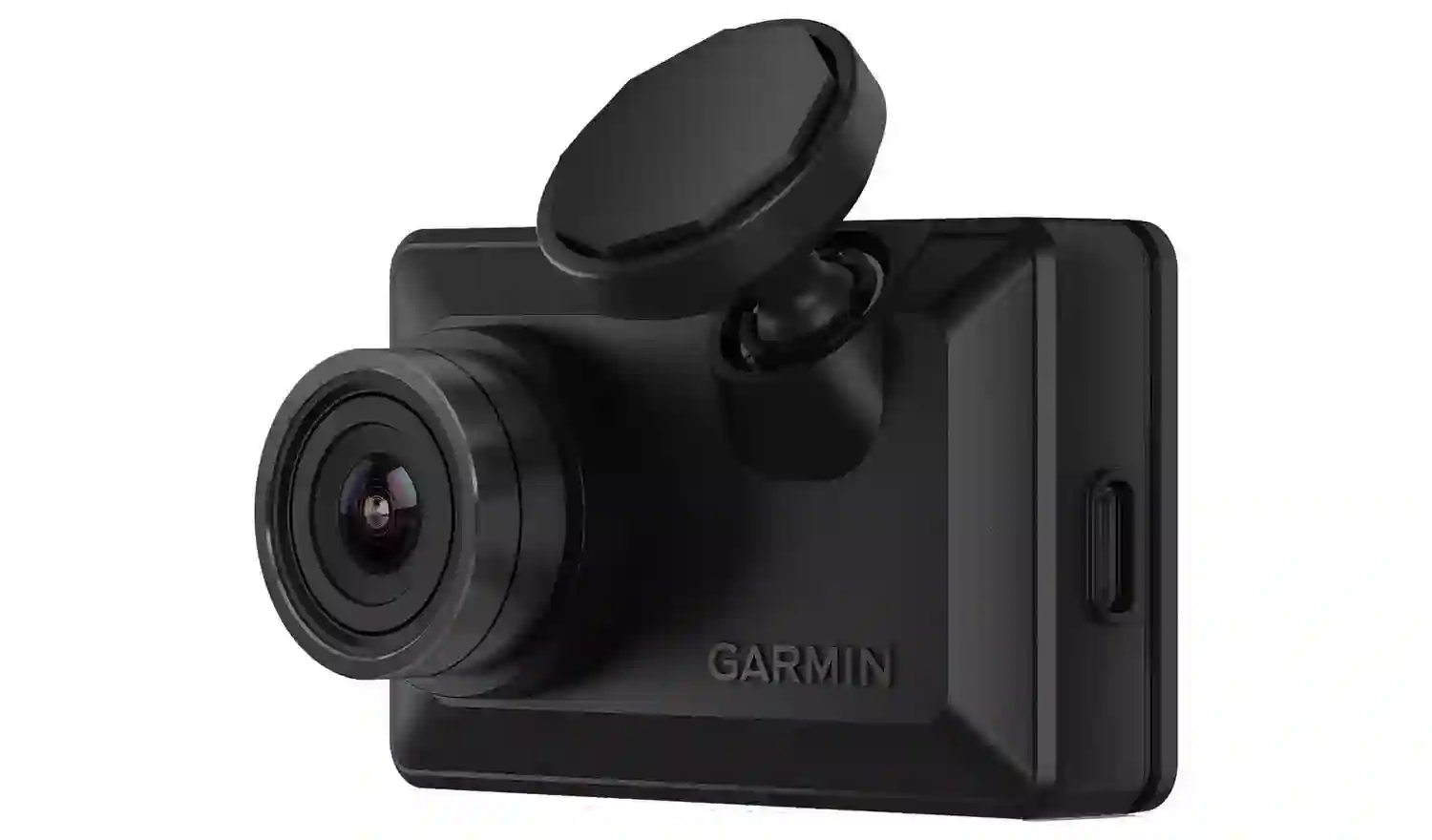
The Garmin X310 is for people who don't want to see the camera. It's tiny — properly tiny — and the magnetic mount means it comes off in a few seconds if you're parking somewhere you'd rather not advertise that there's a camera (and storage card) inside the car. Dashboard clutter is a real issue for some drivers, especially in smaller cars.
The built-in polarising filter is genuinely useful in London daytime driving — it cuts the dashboard reflections that make footage look washed out and hard to read. Something bigger cameras don't always manage as cleanly.
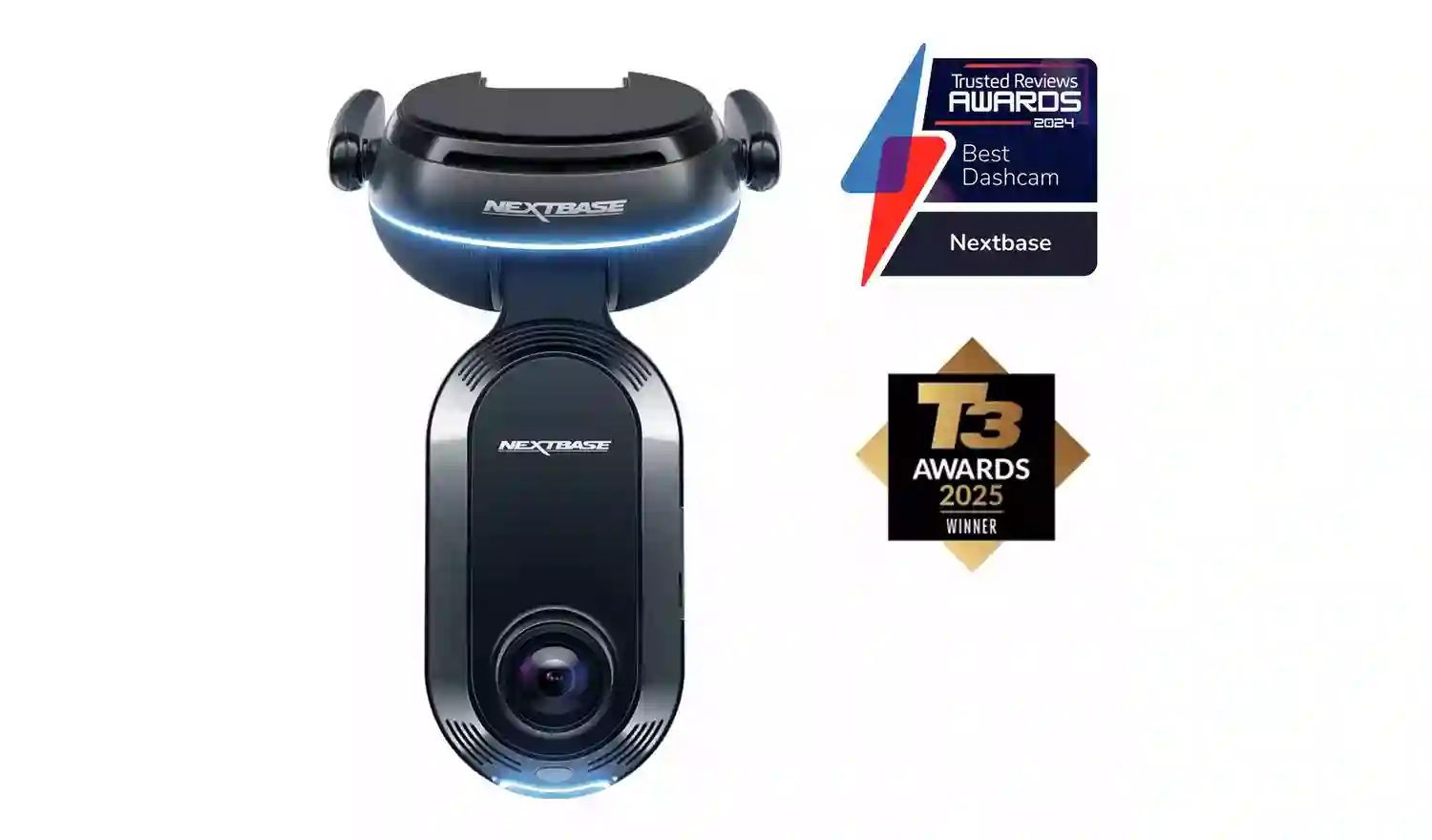
The Nextbase iQ is more like a security system for the car than a dash cam in the traditional sense. The 4G connection means it's active even when the engine is off — if anyone approaches or makes contact with your parked car, it sends a live alert and video clip to your phone. That's a step beyond what any other camera on this list can do.
The Emergency SOS function is the other thing worth knowing about. If the G-sensor detects a serious crash and you don't respond, it calls emergency services automatically with your GPS location in what3words format, plus any medical information you've pre-loaded. It won't come up for most people — but if it does, it matters.
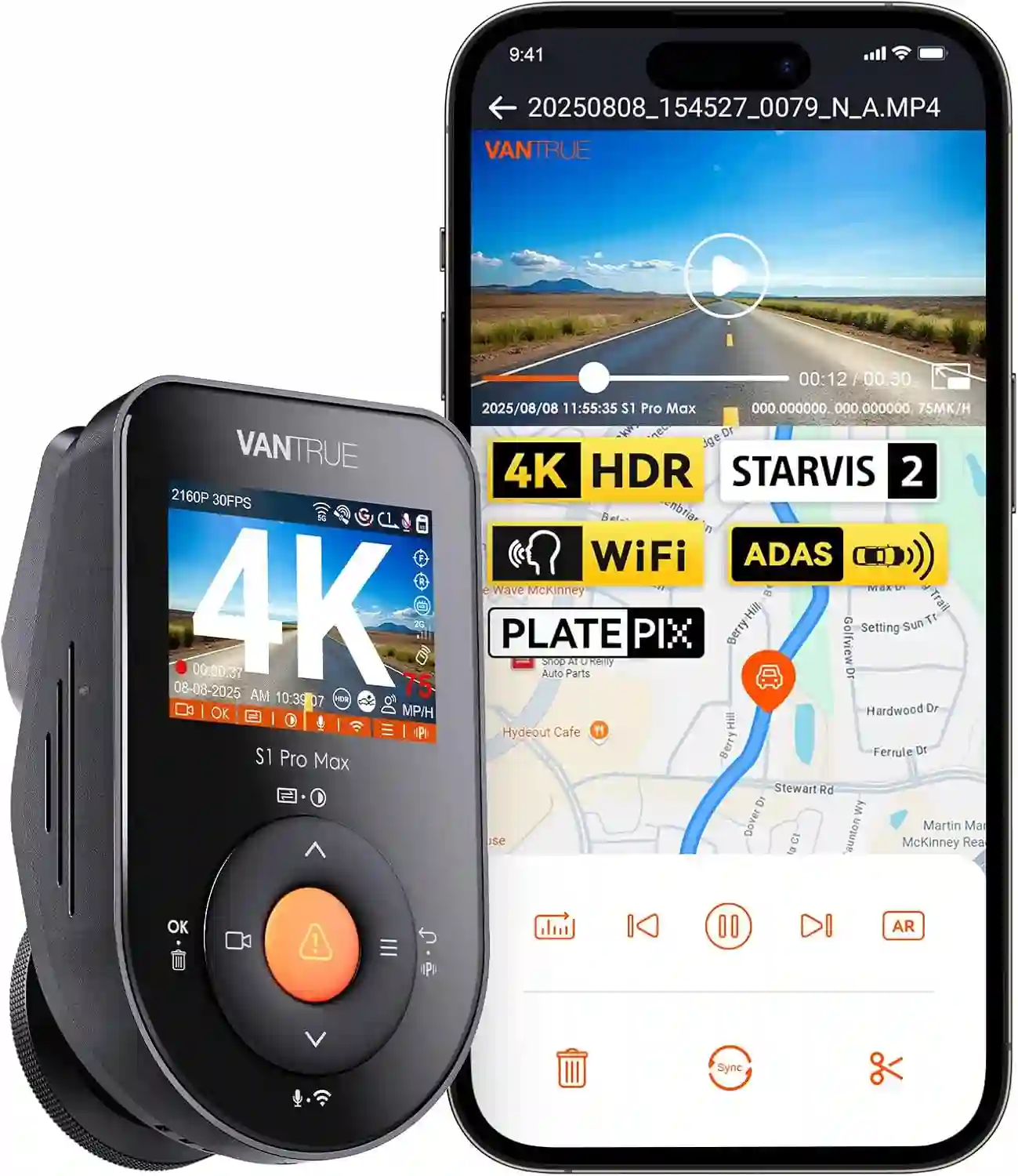
Most dash cams just record. The Vantrue S1 Pro Max also actively monitors what you're doing — it'll warn you if you drift out of your lane, or if you're closing on stationary traffic ahead. These alerts might sound annoying on paper, but on a long stretch of the M25 after a late finish they're genuinely useful.
The PlatePix feature is worth singling out. It's a processing mode that specifically improves number plate legibility in low-light footage — the exact scenario where most disputes end up being inconclusive. Combined with the 158° wide-angle lens that captures full junctions and roundabouts, it's well-thought-out for the kind of incidents London driving produces.
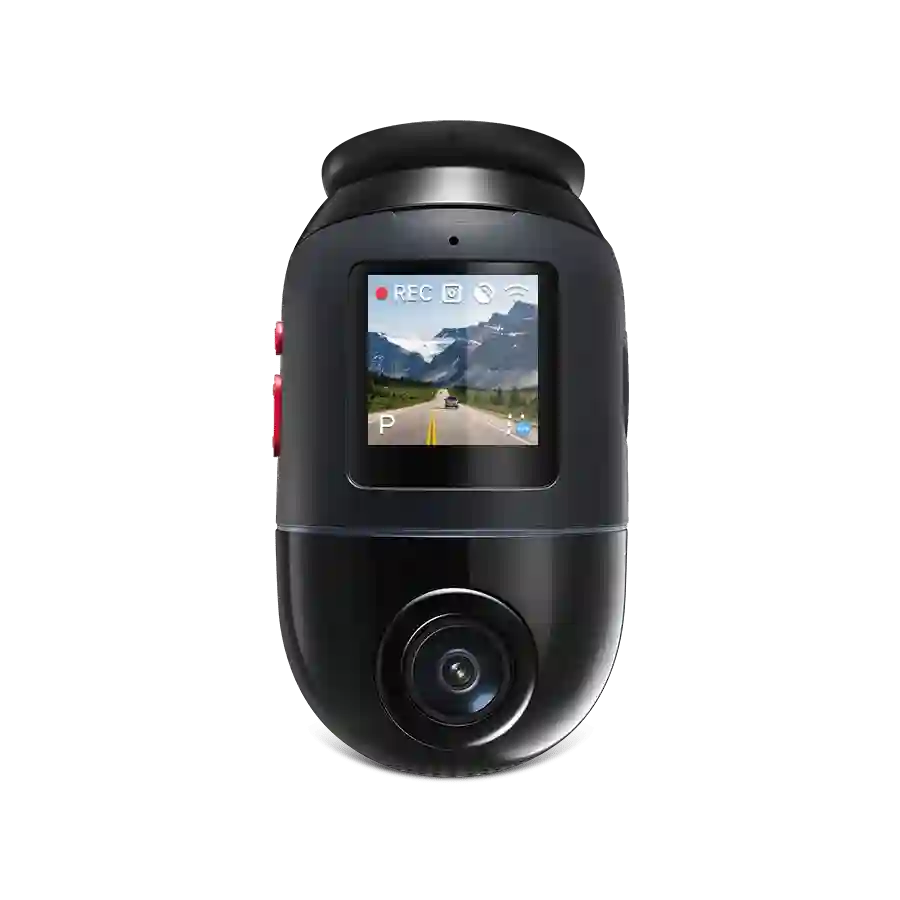
The 70mai 4K Omni physically rotates on a motorised axis. When it detects movement near your parked car, it swivels to face it and starts recording. That's an unusual feature — no other camera here does anything like it. Whether you find it useful or overkill depends a lot on where you park in London, but for a car left on a street overnight in a busy area, it's a different kind of protection to the static cameras.
The AI motion tracking in parking mode works actively, not passively — it's scanning the area rather than waiting for an impact trigger. The trade-off is it draws more power, so hardwiring is recommended.
| Camera | Resolution | Standout | Best For | Link |
|---|---|---|---|---|
| Miofive S1 Ultra | 4K + 4K Rear | 64GB included, 5GHz Wi-Fi | Best overall | Amazon → |
| Viofo A329 | 4K @ 60fps | Sony STARVIS 2, 4TB SSD | Night vision / evidence | Amazon → |
| Garmin X310 | 1440p | Magnetic mount, polariser | Discreet | Amazon → |
| Nextbase iQ | 4K | 4G live alerts, Emergency SOS | Security & connectivity | Amazon → |
| Vantrue S1 Pro Max | 4K | ADAS, PlatePix, 158° FOV | AI safety | Amazon → |
| 70mai 4K Omni | 4K | Motorised 360° tracking | Parking surveillance | Amazon → |