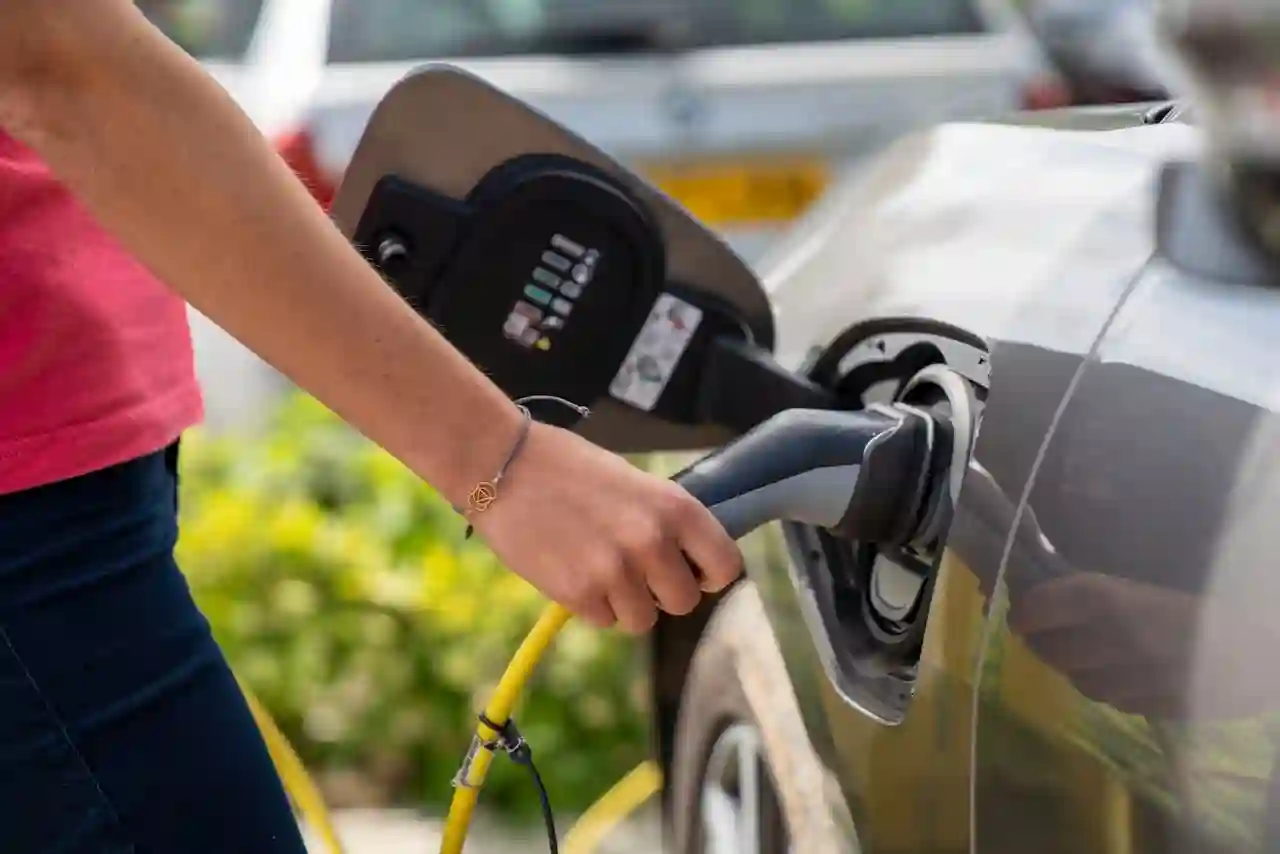
Why London Works Well for EVs
London is one of the more practical places in the UK to own an electric vehicle, mainly because the regulatory environment has created financial incentives that stack up quickly. The combination of ULEZ exemption and Congestion Charge exemption alone can save drivers over £10,000 per year if they're commuting into central London regularly.
- ULEZ exemption: Zero-emission vehicles don't pay the £12.50 daily ULEZ charge — that's a saving of up to £3,250 per year for a daily commuter who previously drove a non-compliant vehicle.
- Congestion Charge: Fully electric vehicles registered in advance with TfL are exempt from the £15 daily charge. For five days a week this is a saving of roughly £3,900 per year.
- Fuel cost per mile: Even at public charging rates (which are higher than home charging), electricity per mile works out cheaper than petrol or diesel in most cases.
- Parking discounts: Several London boroughs offer free or reduced parking for EVs in certain bays — check your local council's current policy.
💡 Annual savings example
A driver commuting into central London five days a week switching from a non-compliant diesel to a registered EV could save approximately: ULEZ (250 days) = £3,125 + Congestion Charge (250 days) = £3,750 + fuel cost reduction = roughly £1,500–£2,500 depending on vehicle and charging habits. The total saving is often well over £8,000 per year before any other costs are considered.
Finding Charge Points
London has over 10,000 public charge points across the boroughs — one of the densest networks of any city in Europe. The challenge isn't finding them in principle; it's finding one that's working, compatible with your car, and available right now.
⚡
Zap-Map
UK's best EV charger map. Shows real-time availability and connector types.
🗺️
Google Maps
EV charger search is built in. Good for finding options on a route.
🔌
PlugShare
Community-reported chargers including home sharers.
🚌
Source London
TfL's own network. App required for member rates.
Main Charging Networks in London
BP Pulse
7kW – 150kW
One of the largest networks in London. Street chargers and car park installations. App or RFID card.
Source London
7kW – 22kW
TfL-managed network of around 1,500+ points across London boroughs. Annual membership for reduced per-kWh rate.
Pod Point
7kW – 22kW
Common in supermarket car parks and workplace installations. Contactless payment available on many units.
Osprey
50kW – 150kW
Rapid and ultra-rapid chargers. Contactless payment, no app required at most locations.
Char.gy
7kW – 22kW
Specialises in on-street lamp post charging. Common in residential London streets. App required.
Ubitricity
5.5kW – 22kW
Shell-owned lamp post charger network. Large footprint across London boroughs. RFID or app.
Typical Charging Costs
| Charge Type | Speed | Typical Cost (per kWh) | Notes |
|---|
| Home charging (overnight) | 3.5–7kW | ~£0.24–£0.30 | Off-peak EV tariff rate. Cheapest option by far. |
| Slow public (lamp post) | 3–7kW | ~£0.40–£0.55 | Ubitricity, Char.gy, Source London standard rate |
| Fast public | 7–22kW | ~£0.45–£0.65 | Supermarket car parks, workplace, BP Pulse |
| Rapid public | 50–150kW | ~£0.60–£0.85 | Osprey, Gridserve, BP Pulse rapids |
| Ultra-rapid | 150–350kW | ~£0.75–£1.00 | Gridserve, Pod Point ultra-rapids |
Prices vary between networks and change regularly. Some networks also charge connection fees or idle fees (charged per minute once charging is complete). Check the network's app for current rates.
TfL Source London
Source London is TfL's own charging network, run as a membership scheme. Annual membership costs around £4 per year and gives access to reduced per-kWh rates across their 1,500+ charge points. The charge points are primarily 7kW slow chargers installed on-street in London borough car parks and public spaces — better suited to parking overnight or for several hours rather than rapid top-ups.
The network has grown significantly over recent years and is particularly useful for residents in inner London boroughs who don't have home charging capability. For anyone who relies primarily on public charging, the annual membership pays for itself quickly.
Tips for London EV Drivers
- Register with TfL for CCZ exemption. The Congestion Charge exemption for electric vehicles doesn't apply automatically — you have to register your vehicle with TfL. It's a one-off process and the exemption is then renewed annually. Don't skip this.
- Get a home charger installed if you have parking. Home charging is dramatically cheaper than public charging and much more convenient. The Office for Zero Emission Vehicles (OZEV) grant covers part of installation cost for eligible properties.
- Download 3–4 network apps before you need them. Not every charger accepts contactless — some still require an app or RFID card. Having BP Pulse, Zap-Map and Source London set up before you're standing in a car park at 8% charge is sensible planning.
- Check working status before you drive to a charger. Broken charge points are a real problem. Zap-Map shows user-reported status in near real-time — worth checking before making a dedicated trip.
- Don't leave your car blocking a finished charge. Idle fees apply on most rapid networks once your car has finished charging. Moving promptly is both courteous and avoids unnecessary cost.
- Factor in lamp post charging at home if you park on-street. Ubitricity and Char.gy have installed chargers in lamp posts on residential streets across London. If you park near one regularly, this can be a practical alternative to a home wallbox.
⚠️ Congestion Charge exemption — double check your vehicle registration
The plug-in vehicle exemption for the Congestion Charge requires TfL registration. Driving into the CCZ in a registered EV without having completed the registration process will result in a charge you weren't expecting. Check at tfl.gov.uk.